The Microbiome as a Biological Ecosystem
Explore immune signaling, cytokines, receptors, immune responses, and the research approaches that reveal how complex biological communication networks function.
The Microbiome as a Biological Ecosystem
Microorganisms do not live as isolated species. They form complex communities that interact with one another, their environment, and their host. Modern microbiome research is revealing how these communities function as biological ecosystems.
For much of microbiology's history, scientists studied microorganisms by isolating and growing individual species. Modern sequencing technologies have changed this perspective. Researchers can now examine entire microbial communities directly from environmental, animal, or human samples, revealing an ecosystem composed of thousands of interacting organisms and an enormous diversity of genes and metabolic capabilities.
What is a microbiome?
A microbiome can be understood as the collection of microorganisms, their genetic information, and the biological environment in which they interact. The term is closely related to microbiota, which generally refers to the microorganisms themselves. The distinction becomes useful when researchers want to emphasize not only which organisms are present, but also the genes, functions, interactions, and environmental conditions associated with the community.
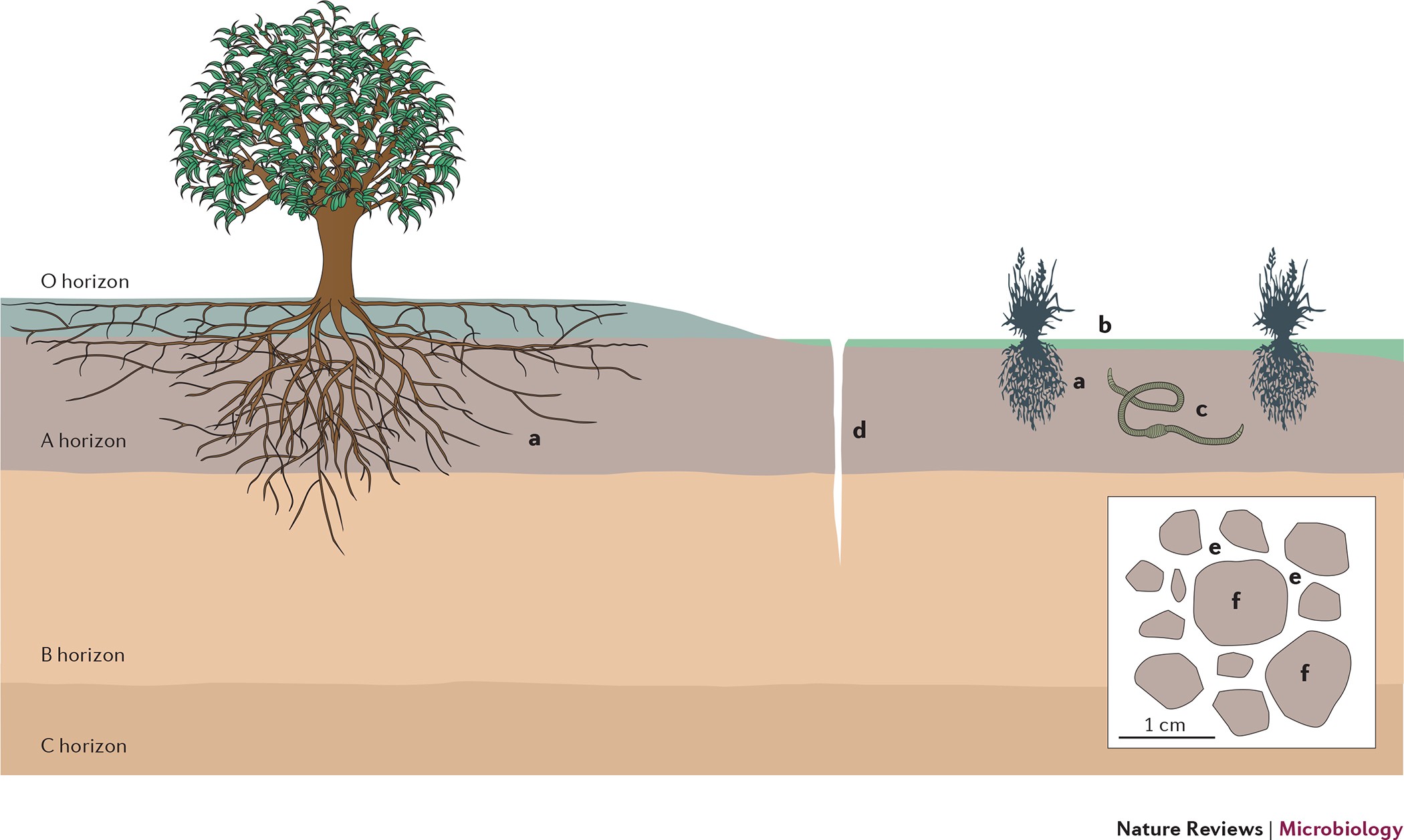
Microbial communities occur almost everywhere: in soil, oceans, freshwater, plants, animals, industrial systems, and the human body. Each environment imposes different physical and chemical conditions, creating opportunities for particular microorganisms to survive, compete, cooperate, and adapt.
The important shift in modern microbiology is therefore conceptual. Instead of asking only which microorganism causes a particular biological effect, researchers increasingly ask how entire microbial communities behave as systems.
A microbiome is not simply a list of microorganisms. It is a dynamic biological community whose members interact with each other and with their surrounding environment.
From individual organisms to interacting communities
A microbial community contains organisms with different metabolic capacities and ecological roles. Some microorganisms consume available nutrients, others produce metabolites that can be used by neighboring species, and some compete for the same resources. These relationships create networks of biological dependencies.
The abundance of a species is therefore only one aspect of its importance. A microorganism present at relatively low abundance may perform a metabolic function that strongly influences the surrounding community. Conversely, a highly abundant organism may have a more limited functional effect depending on environmental conditions.
This distinction between composition and function becomes central when scientists interpret microbiome data. Two communities can contain different species but perform similar biological functions, while communities with similar composition can behave differently under different environmental conditions.
From cultivation to culture-independent analysis
Traditional microbiology relies heavily on cultivation, microscopy, biochemical testing, and isolation of individual microorganisms. These approaches remain essential because they allow researchers to study organisms experimentally. However, many microorganisms are difficult to cultivate under standard laboratory conditions.
Culture-independent molecular methods provide another way to investigate microbial communities. DNA or RNA can be extracted directly from a sample and analyzed without first growing every organism in the laboratory. This makes it possible to investigate microbial diversity in environments where cultivation would capture only a fraction of the community.
| Approach | What it reveals | Main strength |
|---|---|---|
| Culture | Characteristics of cultivable microorganisms | Enables direct experimental study |
| 16S rRNA sequencing | Broad bacterial and archaeal community composition | Efficient community profiling |
| Shotgun metagenomics | Microbial genes and community composition | Functional and taxonomic information |
| Metatranscriptomics | Community RNA and active gene expression | Provides functional activity information |
How microbiome samples become molecular data
A microbiome experiment begins with a biological sample. Depending on the question, this may be soil, water, tissue, intestinal content, a plant-associated sample, or another microbial environment. DNA or RNA is then extracted and prepared for sequencing.
The choice of sequencing strategy determines the type of information that can be obtained. Targeted marker-gene sequencing can provide information about community composition, whereas shotgun metagenomics sequences a much broader collection of DNA fragments. The latter can reveal genes associated with metabolic pathways, resistance mechanisms, and other biological functions.
This transformation from a physical sample into millions of sequence fragments represents one of the most important transitions in modern microbiology. The biological ecosystem becomes a computational dataset that can be measured, compared, classified, and modeled.
Reading the genetic potential of a community
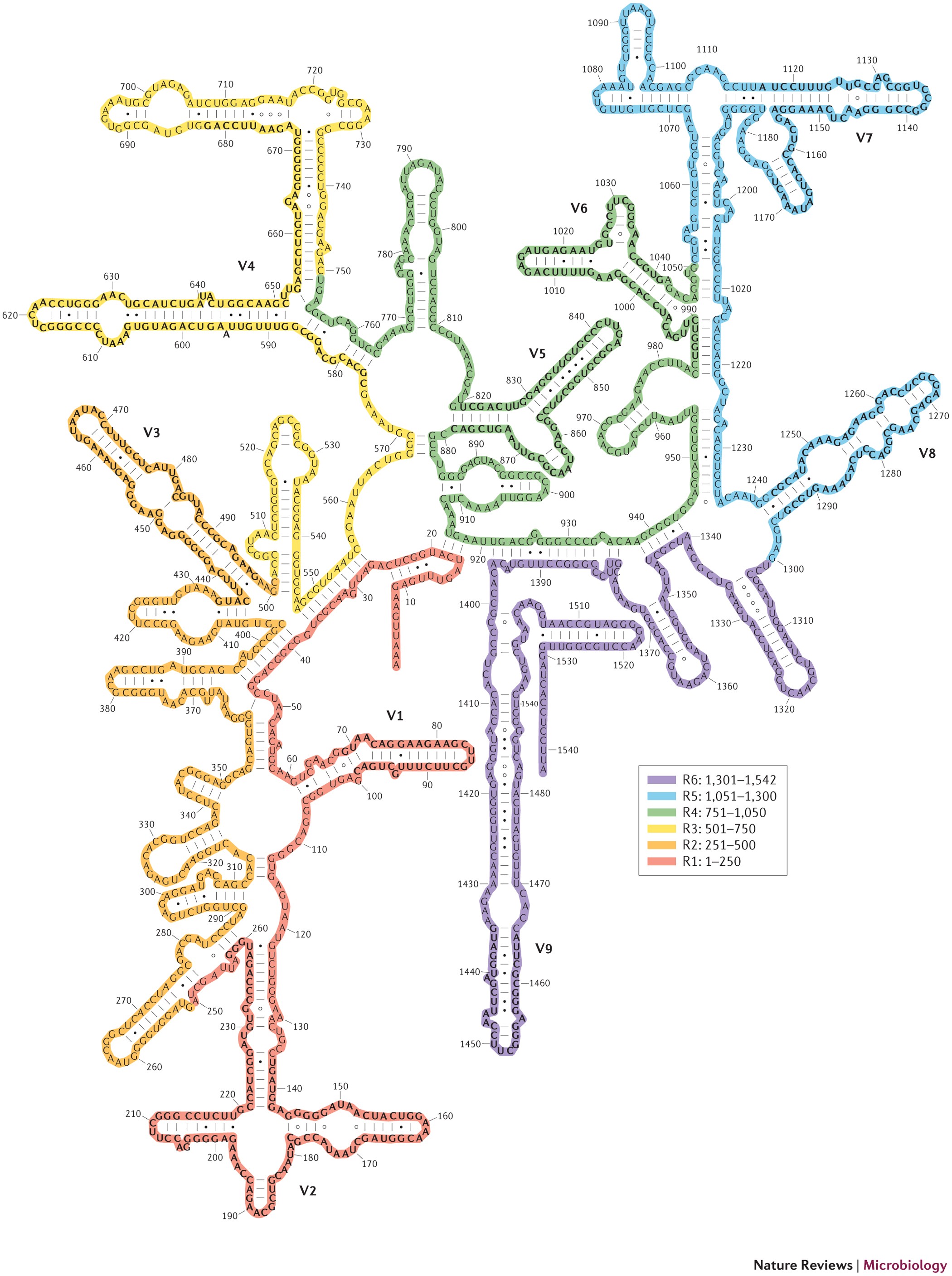
Metagenomics examines the collective genetic material recovered from a microbial community. Instead of sequencing one organism at a time, researchers sequence DNA from the entire sample and use computational methods to identify organisms, genes, and functional pathways.
One important advantage of metagenomics is that it does not require researchers to know in advance which microorganisms are present. Sequence information can reveal unexpected organisms and genetic capabilities that may not have been detected through cultivation.
However, metagenomic data describe genetic potential rather than automatically proving that every detected gene is active. A gene may be present in the community but not expressed under the sampled conditions. This distinction leads naturally to another level of analysis: studying microbial activity rather than only microbial genetic capacity.

What are microbial communities actually doing?
Detecting a gene does not necessarily reveal what the community is doing at a particular moment. To investigate microbial activity, researchers can examine RNA through metatranscriptomics, proteins through metaproteomics, or metabolites through metabolomics. Each layer provides a different view of the ecosystem.
Metatranscriptomics is particularly useful because RNA abundance can provide information about genes that are being actively transcribed. When combined with metagenomic information, it becomes possible to compare what a community could potentially do with what it appears to be doing under specific conditions.
This multi-layer approach illustrates an important principle in systems biology: no single molecular measurement completely describes a biological system. Genomic, transcriptomic, proteomic, metabolomic, and environmental information can complement one another.
From sequence reads to ecological patterns
Microbiome datasets require extensive computational analysis. Sequence reads must be processed, classified, compared, and summarized into biologically meaningful measurements. Researchers may examine taxonomic composition, diversity, functional profiles, ecological relationships, or differences between experimental conditions.
Diversity can be described at several levels. Alpha diversity describes variation within an individual sample, while beta diversity compares community composition between samples. These measurements allow researchers to ask whether microbial communities differ between environments, disease states, treatments, or time points.
Statistical interpretation remains critical. A difference in microbial abundance does not automatically establish causation. Factors such as diet, medication, age, environment, sampling strategy, sequencing depth, and experimental design can influence microbiome measurements.

When the ecosystem meets its host
Host-associated microbiomes are particularly interesting because microbial communities interact continuously with host tissues, immune systems, nutrients, and environmental signals. Microorganisms can produce metabolites, modify local conditions, compete with pathogens, and influence host physiology.
The relationship is not simply beneficial or harmful. Microbial effects depend on the organism, location, host state, and ecological context. The same metabolic activity may have different consequences depending on where and when it occurs.
Modern microbiome research therefore increasingly investigates interactions rather than isolated associations. Researchers combine microbial sequencing with host transcriptomics, metabolomics, immunology, imaging, and experimental models to understand how microbial and host systems influence each other.
Turning microbial ecosystems into biological resources
Understanding microbial communities has important implications beyond basic research. Microorganisms naturally perform a vast range of chemical transformations, making microbial ecosystems an important source of enzymes, metabolites, biosynthetic pathways, and biological functions with potential technological value.
In biotechnology, metagenomic data can help identify enzymes or pathways from microorganisms that are difficult to cultivate. Researchers can then isolate candidate genes, express them in suitable host organisms, and experimentally characterize their function. This creates a bridge between environmental microbial diversity and engineered biological systems.
Microbiome research is also influencing approaches to agriculture, environmental biotechnology, industrial fermentation, and health research. The central opportunity is not simply to catalog microbial diversity but to understand which biological functions can be discovered, validated, and eventually translated into useful applications.
Microbial diversity → genetic information → functional discovery → experimental validation → biotechnology application.
From a list of microbes to a living system
The evolution of microbiome research reflects a broader transformation in biology. Scientists have moved from studying microorganisms mainly as isolated organisms toward investigating communities, interactions, functions, and ecosystems.
Modern sequencing technologies provide the ability to observe microbial diversity at unprecedented scale. Computational biology transforms these measurements into ecological and functional patterns. Multi-omics approaches then connect microbial genes to RNA, proteins, metabolites, host responses, and environmental conditions.
The result is a more connected view of microbiology. A microorganism is not simply an organism that exists independently; its biological significance can depend on the community around it, the environment it occupies, and the molecular interactions that occur within that ecosystem.
Biology becomes clearer when connections become visible.
The microbiome illustrates one of the central ideas of modern biological research: complex biological behavior often emerges from interactions between many components.
By connecting microbial composition, genes, functions, metabolites, host responses, and environmental context, scientists can move beyond simply asking “which microbes are present?” and begin asking “what does this ecosystem do?”
That shift creates new opportunities for discovery — from understanding biological systems to identifying enzymes, pathways, biomarkers, and microbial functions that can support future biotechnology.
Scientific Sources
Human microbiome research: an overview of current approaches. Nature Reviews Microbiology.
Metagenomics and the analysis of microbial communities. Peer-reviewed article available through PMC.
Computational approaches for microbiome analysis. Nature Methods.
Microbiome-host interactions and their biological consequences. Nature Reviews Microbiology.